Walk through any neighborhood today, and you’ll probably spot a glowing blue ring around someone’s front door.
That subtle light isn’t just decoration — it’s the new face of home security.
Smart doorbells and security cameras have gone from niche gadgets to mainstream must-haves, riding the same wave of connected-home innovation that gave us voice assistants and smart thermostats.
But what’s driving this shift — and where is it heading?
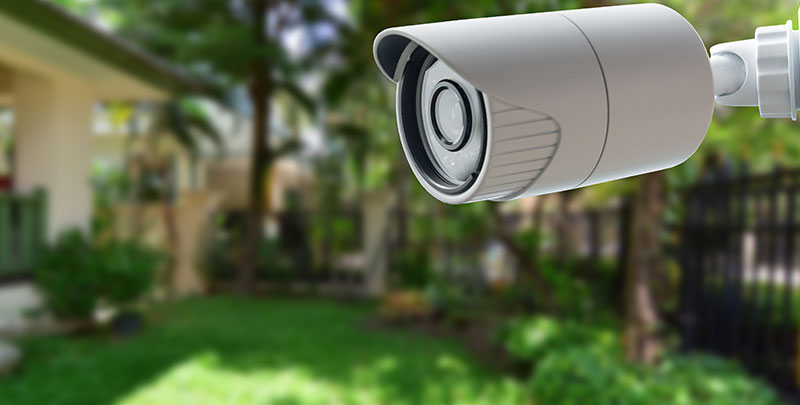
From Watchdogs to Smart Sensors
A decade ago, home surveillance meant clunky DVRs and grainy footage you’d never watch.
Today’s smart systems have redefined the game.
Many Devices use AI-driven motion detection and cloud-based video storage to spot real threats — not just a passing cat or a windy tree branch.
Some even recognize faces, license plates, or delivery people automatically.
It’s a huge leap from “record everything” to “record only what matters.”
Convenience Meets Peace of Mind
Beyond safety, these gadgets have tapped into something deeper — everyday convenience.
You can see who’s at your door while you’re on a Zoom call.
Talk to delivery drivers from your phone.
Even unlock your door remotely if a friend needs to grab something.
In essence, security cameras and doorbells are merging safety with accessibility — turning homes into smart, responsive systems that think alongside us.
But There’s a Catch: Privacy and Subscription Fatigue
Of course, every leap in tech brings a few stumbles.
The more “connected” your home becomes, the more data it generates — and not all homeowners are comfortable with that.
Privacy concerns around cloud footage and data sharing have sparked debates about who really owns your front-door view.
Then there’s the subscription overload.
Want cloud storage? Pay monthly.
Want AI detection? Pay more.
Suddenly, your $150 smart doorbell becomes a long-term expense.
It’s a business model that works for companies but tests consumer patience — and wallets.
The Industry Shift: Smarter, Local, and More Secure
Tech companies are starting to listen.
We’re now seeing a push toward local video storage, on-device AI processing, and end-to-end encryption.
Many brands are experimenting with privacy-first setups that don’t rely on the cloud at all.
while, some integrates with broader smart-home ecosystems, bridging the gap between surveillance and automation — think: your doorbell camera turning on your porch lights when motion is detected.
This is where the next evolution lies: connected intelligence that works securely within your home, not across a thousand servers.
What’s Next: The Smart Home Security Ecosystem
The future of home security isn’t about single devices — it’s about ecosystems.
Imagine your doorbell camera, alarm system, and voice assistant syncing seamlessly.
Your camera identifies a visitor, your door unlocks, your hallway light switches on, and your AI assistant greets them — all without you lifting a finger.
That level of integration isn’t far away.
And as AI continues to get smarter, it’ll do more than just watch — it’ll predict and prevent.
Smart cameras and video doorbells aren’t just reshaping how we protect our homes — they’re reshaping how we connect with them.
They’ve made surveillance personal, interactive, and, in some ways, even social.
Sure, there are still kinks to work out — privacy, cost, and standardization.
But the direction is clear: the home of the future will see, think, and respond — all through the quiet lens by your door.
FAQs
1. Are smart doorbells really worth it?
For most homeowners — yes.
A smart video doorbell gives you real-time visibility, two-way talk, and motion alerts directly on your phone.
It’s not just about catching intruders — it’s about managing deliveries, guests, and peace of mind.
2. Do I need a subscription for video storage?
That depends on the brand.
Many rely heavily on cloud plans for video history and smart alerts.
But some newer options let you store footage locally without paying monthly fees.
If you’re privacy-conscious, local storage is the smarter bet.
3. Can smart cameras work without Wi-Fi?
Not exactly.
Most features — live view, notifications, and cloud recording — need Wi-Fi.
That said, some hybrid models can record locally to SD cards when offline, syncing back once your internet’s up again.
4. Are these devices safe from hackers?
The risk exists, but modern security standards are catching up fast.
Look for brands offering two-factor authentication, encryption, and on-device AI to keep your footage private.
And always — always — change the default password.
5. How long do smart doorbells and cameras last?
Typically 3–5 years, depending on brand, battery life, and exposure to weather.
Hardwired models tend to last longer, while battery-powered ones may need more maintenance.
6. What’s next for home surveillance tech?
Think less about cameras — more about ecosystems.
We’re heading toward AI-driven smart homes where your security devices sync with lighting, locks, and assistants to create a seamless defense network.
In short, your home won’t just watch — it’ll anticipate.
Smart cameras and video doorbells are the new eyes of modern homes — sharper, smarter, and increasingly aware.